How to post to all your social accounts at once
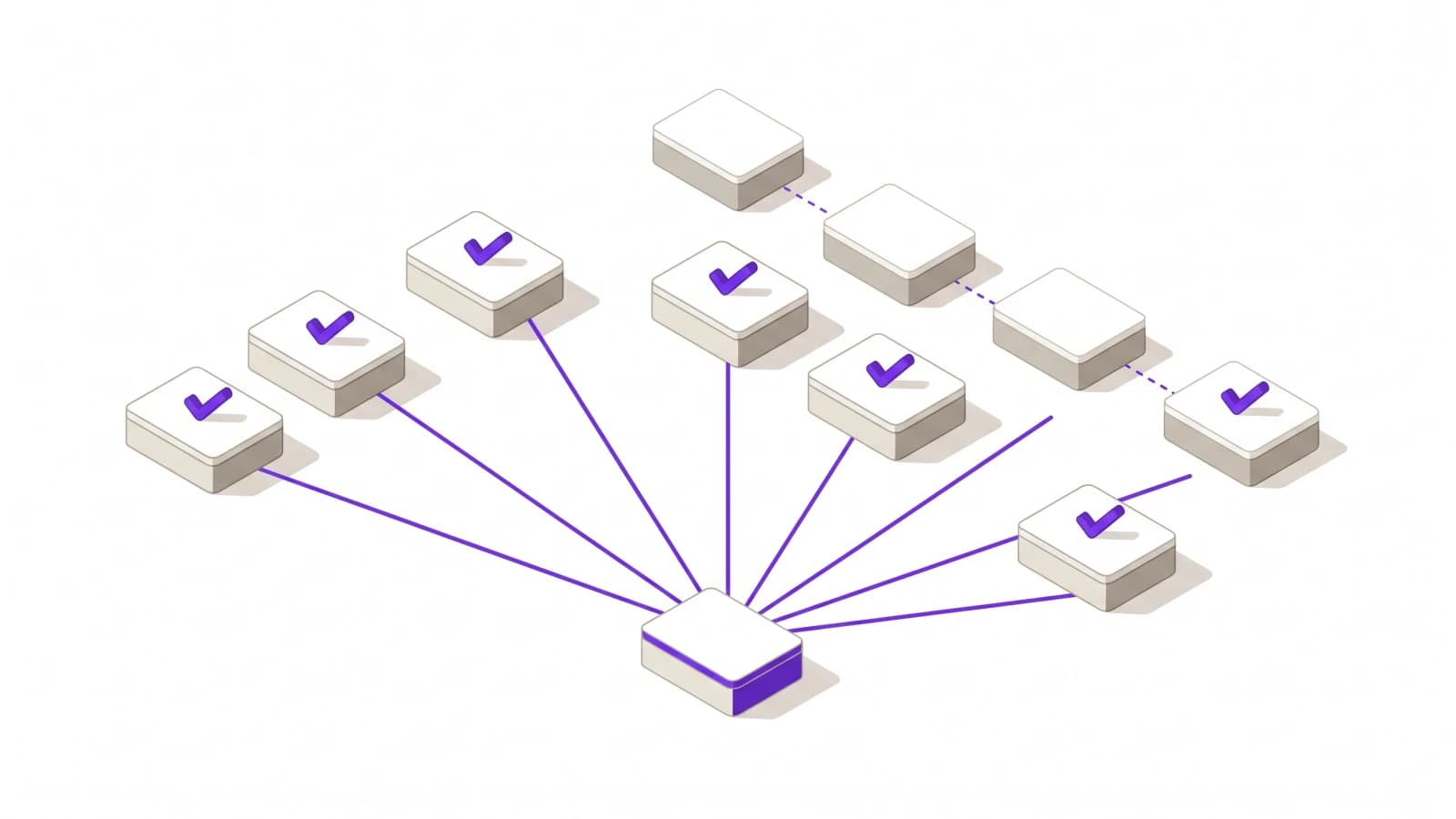
To post to several social accounts at once you need a scheduler that holds a connection to each account, sends the post to each one separately, and publishes from its own server rather than your computer. Duta does this for X, Instagram, Facebook Pages, LinkedIn, Threads, Telegram and Discord. One post, one time, every account you tick.

Most people who run more than one social account do the same thing every week. They write the post once, in a notes app or straight into the first platform. Then they copy it, open the second app, paste, adjust it a little because the box is a different shape. Then the third. Somewhere around the fifth they get interrupted, and one account quietly does not get the post at all.
None of that is a writing problem. The writing was finished at the first app. Everything after it is copying, and copying is the part a computer should be doing.
What “post once” actually means
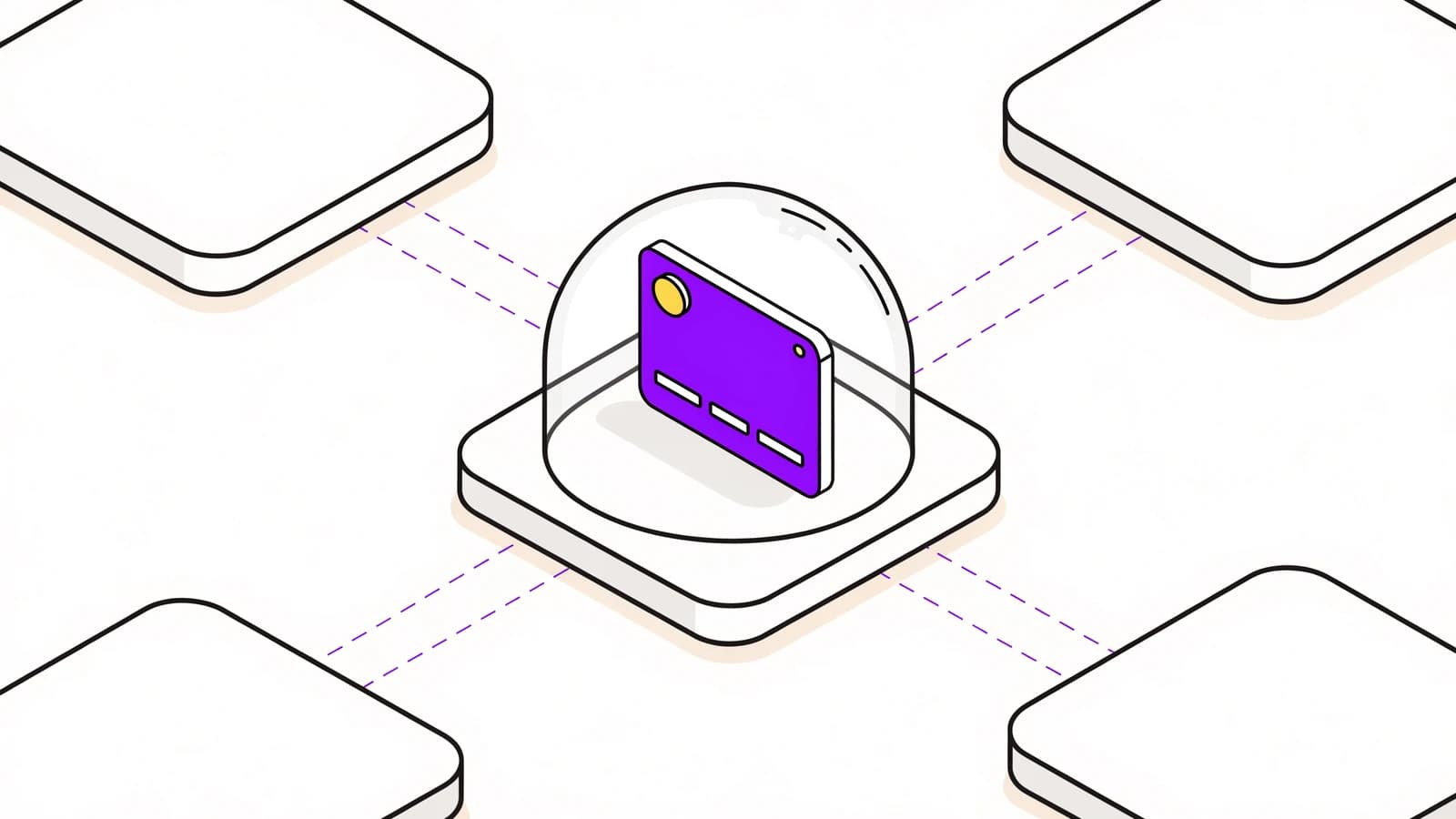
It means the post exists in one place, and the tool holds a separate connection to each of your accounts. You write the words, tick the accounts that should receive them, and set a time. From there it is not one action that fans out. It is several independent deliveries that happen to share the same words and the same minute.
That distinction sounds academic until something goes wrong, and it is the reason the next section exists. If the post were one action, a refusal from one platform would take the whole thing down with it. Because each account is its own delivery, six can succeed while the seventh is being argued with.
Choosing which accounts get it
Nothing should be ticked for you. That sounds like a small interface decision and it is not: if every account is selected by default, then sending to all of them is what happens when you are not paying attention, and choosing not to post somewhere becomes the work. With three accounts that is convenient. With fifty it means one mistaken press reaches fifty audiences, and there is no taking that back.
So in Duta nothing is selected until you select it, and “everything” is one press away for the times it really is everything.
The same post is not the same everywhere
This is where most scheduling goes wrong, and it is not about tone of voice. The platforms disagree about what a post even is.
- Instagram will not accept a post with no picture or video at all. Words on their own are not a post there.
- X counts characters its own way: a link always counts as twenty-three, however long or short it really is, and Chinese, Japanese and Korean characters count double.
- Some platforms take a photo and a video in the same post. X does not, and refuses the mixture rather than quietly dropping half of it.
- Every one of them has a different limit on how much text, how many pictures, and how long a video may run.
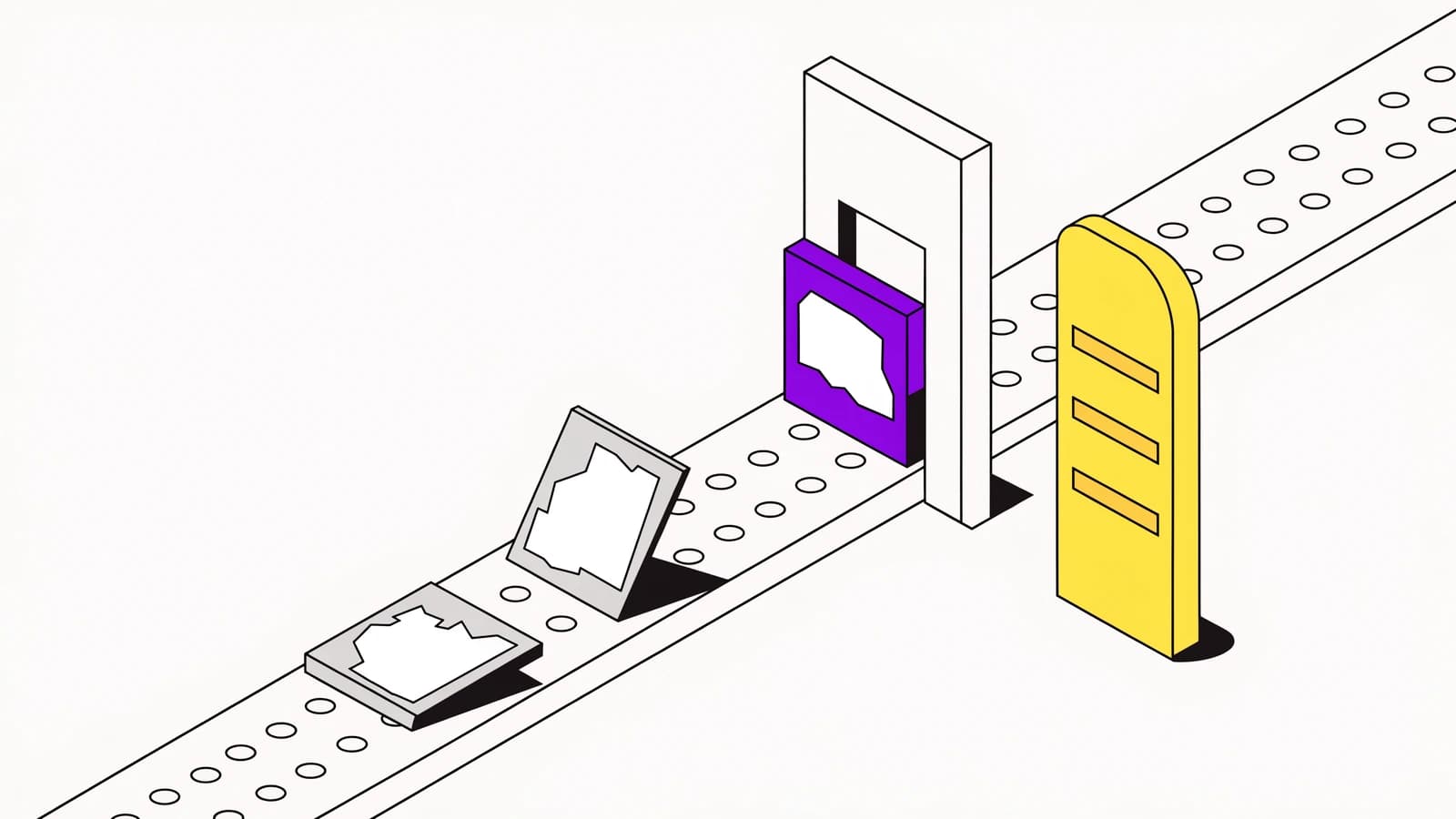
A tool that ignores all of that will happily let you schedule something that cannot exist, and you find out at the minute it was meant to go out. Duta counts each platform the way that platform counts, shows every limit at once while you type, and checks each file you attach against every account you have ticked, before you can schedule it. When something will not fit, it names the rule and the actual value: “this video is 3:20, Threads accepts up to 5:00”, not a red number.
And when one platform genuinely needs different words, you can write them for that channel alone without touching the others. The shared post stays the shared post; the one you changed is marked so you can see at a glance which is which.
Pick a time, then close the laptop
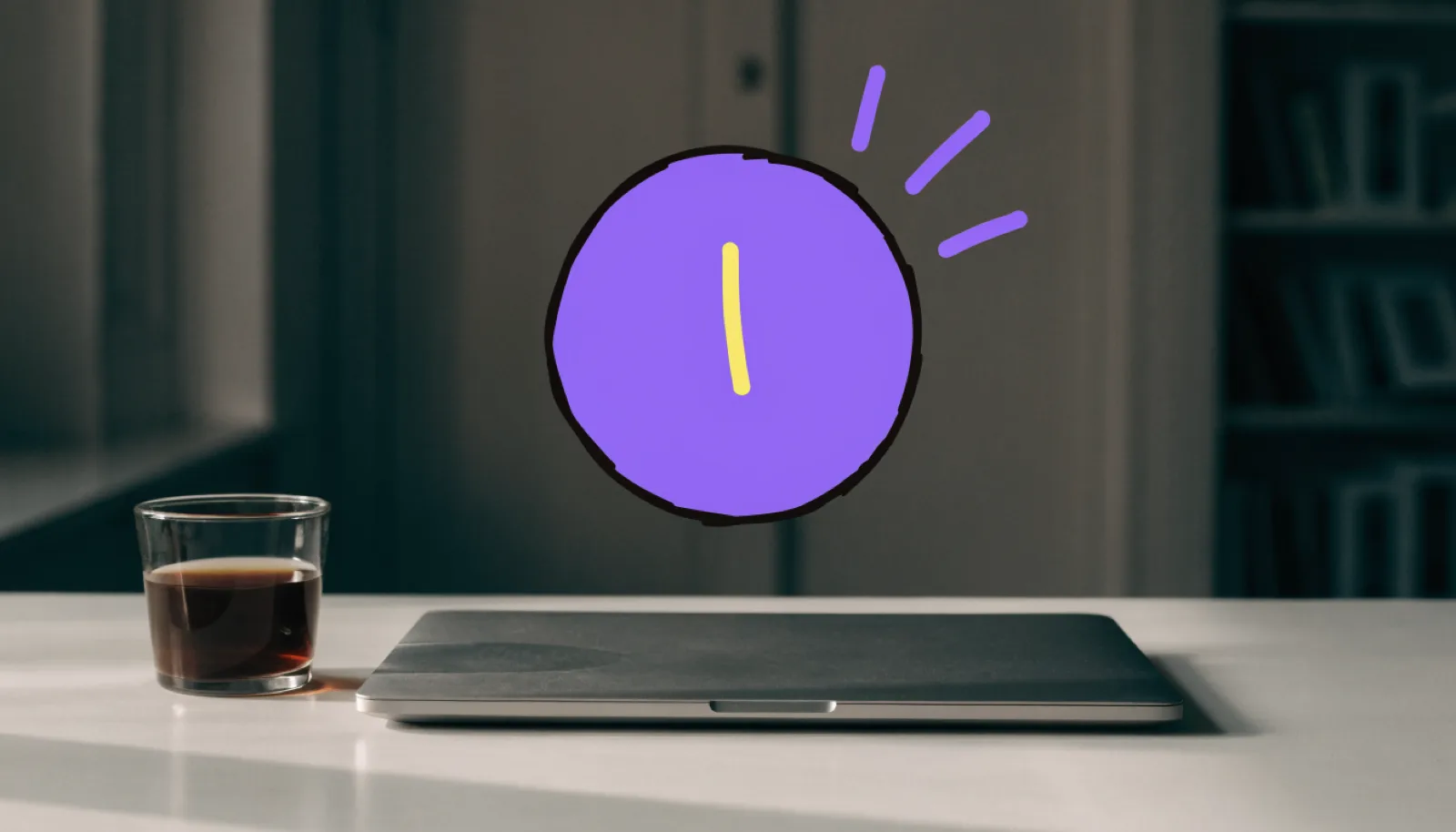
Scheduling inside a phone app usually means the phone has to be awake and the app has to be running. That is not scheduling, it is a reminder with extra steps.
A post scheduled in Duta is held on Duta’s own server. A job runs every sixty seconds and sends whatever has come due, so a post goes out within a minute of the time you asked for, whether your laptop is open, shut, or in another country.
You pick the time in your own timezone, and it is stored in UTC underneath. A new account starts on Malaysian time. That is not a detail for its own sake: it is what stops a post scheduled for 9pm from moving by an hour because a clock changed somewhere, or because you happened to be travelling when you wrote it.
If you post at roughly the same times each week, you can set those times once and stop choosing a date at all. The writing screen then offers the next free one. Duta deliberately will not guess a “best” hour for you, because working one out honestly needs far more history than any single account has.
When one platform says no
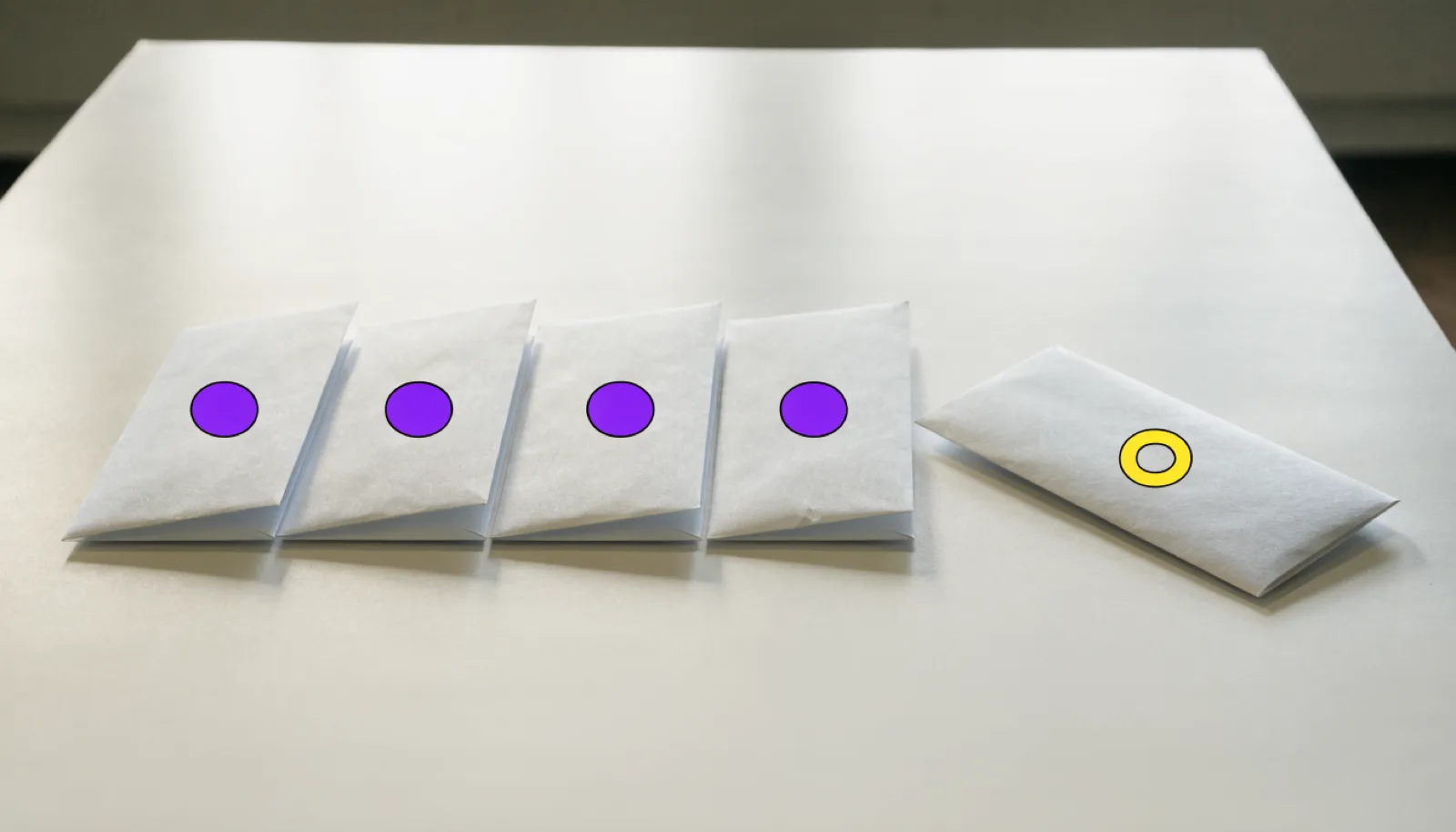
It will happen, and usually for a dull reason: a connection that expired, a file the platform decided it did not like, a service having a bad morning.
What matters is what the tool does next. Duta retries a refused post three times, waiting longer between each attempt. If it still will not go, that one channel is marked as failed, the platform’s reason is recorded in plain language, and you are told. The other accounts in the same post are untouched. They went out on time and stay out.
What you need before you start
Less than people expect. You do not need an API key, a developer account, or anything technical for the ordinary channels. You sign in to each platform once, the way you would sign in to any app, and grant access.
- Sign in to each account you want to post to. This is once per account, not once per post.
- Write the post, tick the accounts, attach anything it needs.
- Set a time, or take the next one from your own weekly timetable.
- Close the laptop.
Two of the seven work slightly differently and it is worth knowing before you start: Telegram posts through a bot you create yourself, and Discord through a webhook on your server. Both take a couple of minutes and neither requires anything a normal person cannot do. Duta walks through the actual steps for each rather than showing a generic “connect” button.
The honest summary is that scheduling does not make anybody post better. It removes the part of posting that has nothing to do with what you wanted to say, which is most of it, and it makes the difference between publishing consistently and publishing when you happen to remember.