What Duta is, and what it can actually post today
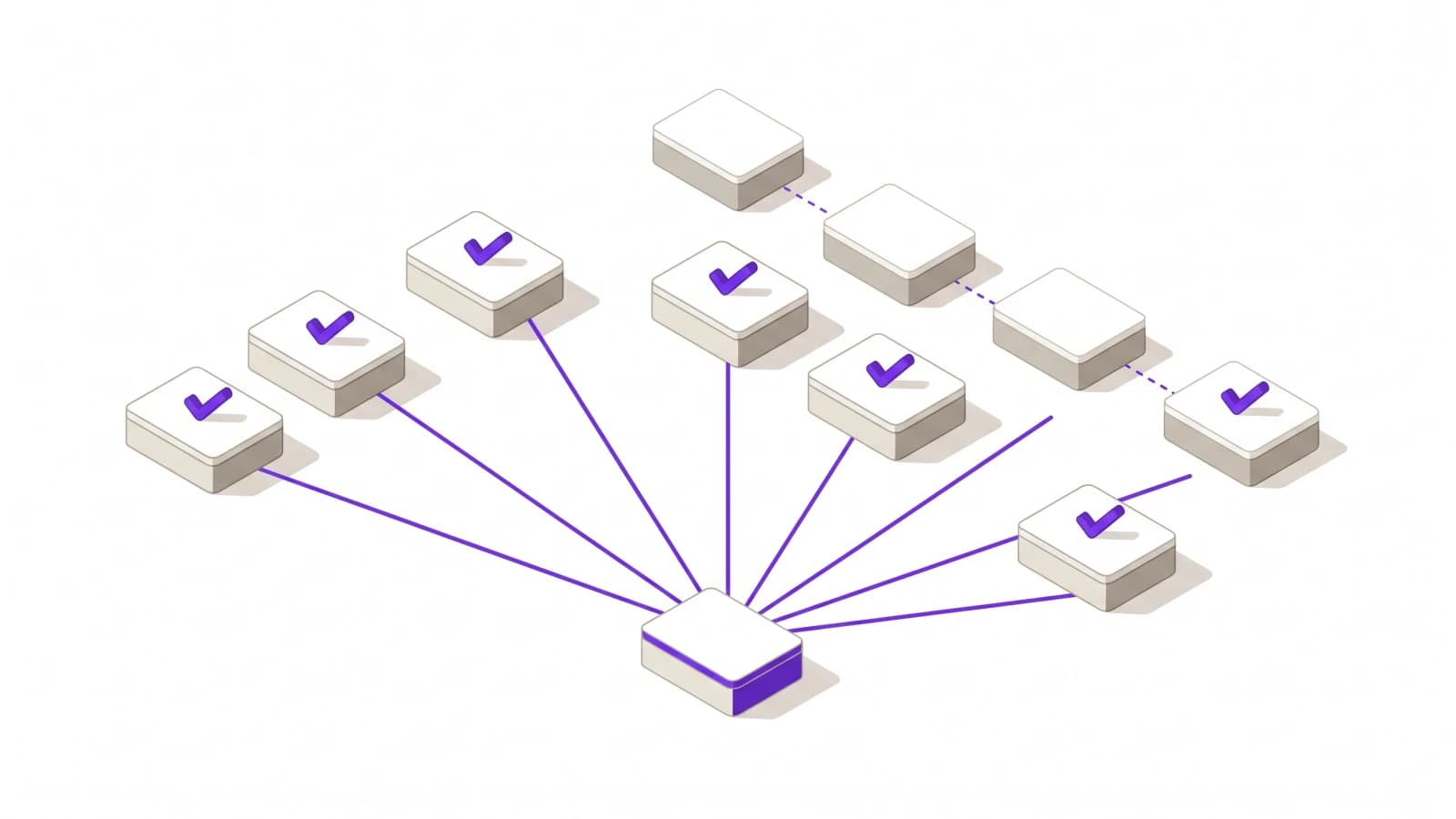
Duta is a social media scheduling tool: write a post once, choose which connected accounts should receive it, set a time, and Duta publishes it automatically. Eleven platform adapters exist. Seven have carried a real post: X, Instagram, Facebook, LinkedIn, Threads, Telegram and Discord. Four more are built and tested but have never published anything, because each is still waiting on the platform’s own approval.
Everything else on this blog assumes you already know what Duta is, because each of the other posts is a specific problem we hit building it. This one is not. It is a plain account of what the tool actually does, what we have genuinely gotten it to do as of today, and where it still falls short, with real platform names rather than a description of the plan.
What Duta does
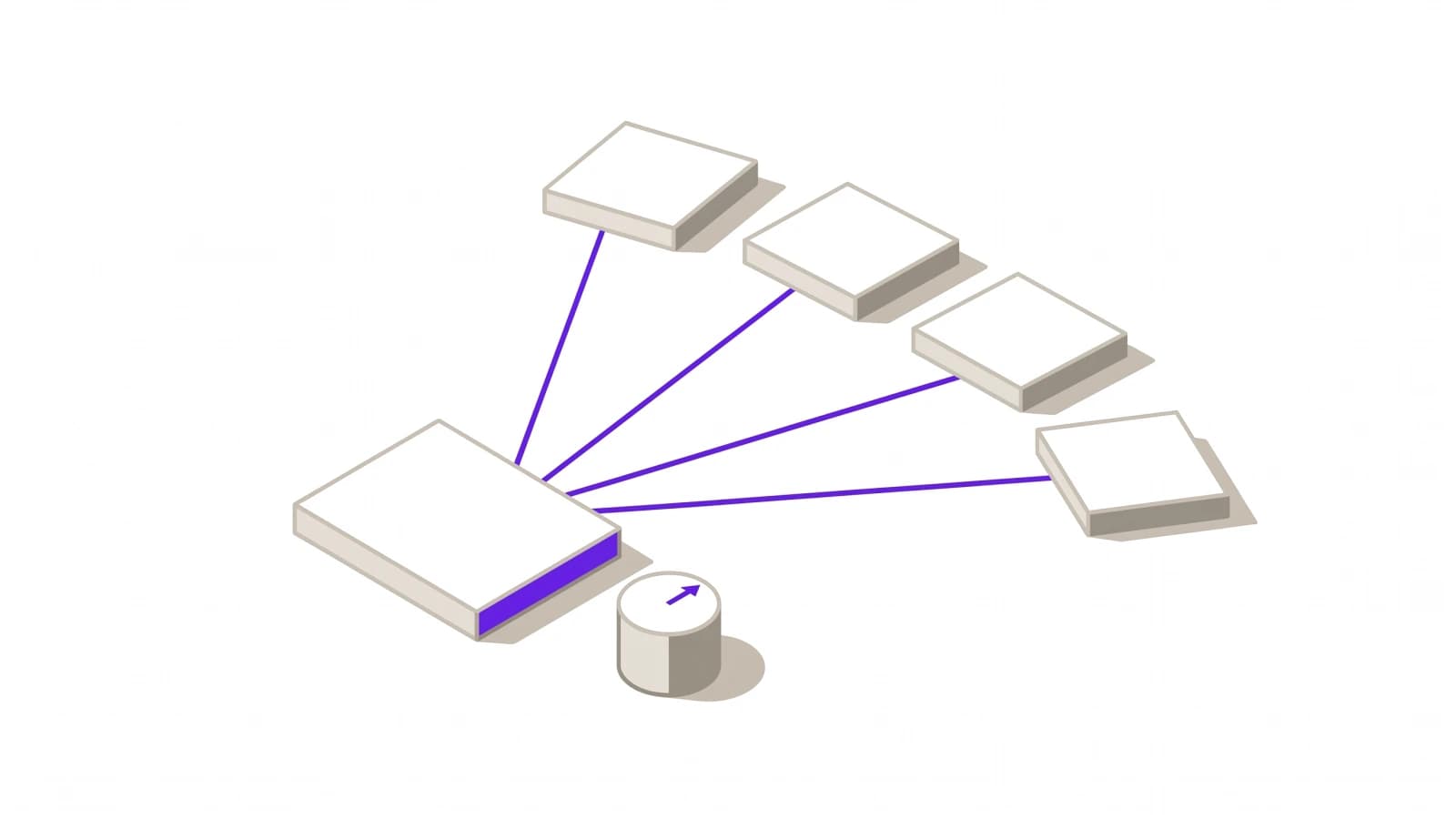
You write a post once. You choose which of your connected accounts should receive it, one or several at once. You set a time, in your own timezone. Duta stores that time in UTC and checks every 60 seconds, so the post goes out within a minute of when you asked for it, whether or not your computer is on at the time.
Each connected account’s access token is encrypted before it is written to the database, and decrypted only at the moment a post actually goes out. It is never logged and never sent to the browser. If a platform refuses a post, Duta retries it three times with an increasing delay before it tells you, in plain language, what the platform said and which account it happened to.
Seven platforms that have carried a real post
Eleven platform adapters exist in the codebase today. Seven of them have actually sent something: a real post landed on the real platform, not a call that returned success in a test.
| Platform | What it can carry |
|---|---|
| X | Text, photos and video |
| Photos, carousels and Reels. No text-only post | |
| Facebook Pages | Text, photos and video, one login for every Page you administer |
| Text, photos and video | |
| Threads | Text, photos, video and carousels |
| Telegram | Text, photos and video, through a bot you make yourself |
| Discord | Text, photos and video, through a webhook |
Four more that are built, not yet proven
Four other adapters exist, pass their own tests, and have never published a real post: TikTok, YouTube, Pinterest and Google Business Profile. That is not code we are behind on finishing. Each one is written and waiting on somebody at the platform to approve access, which is not something we control the timing of.
How it is built
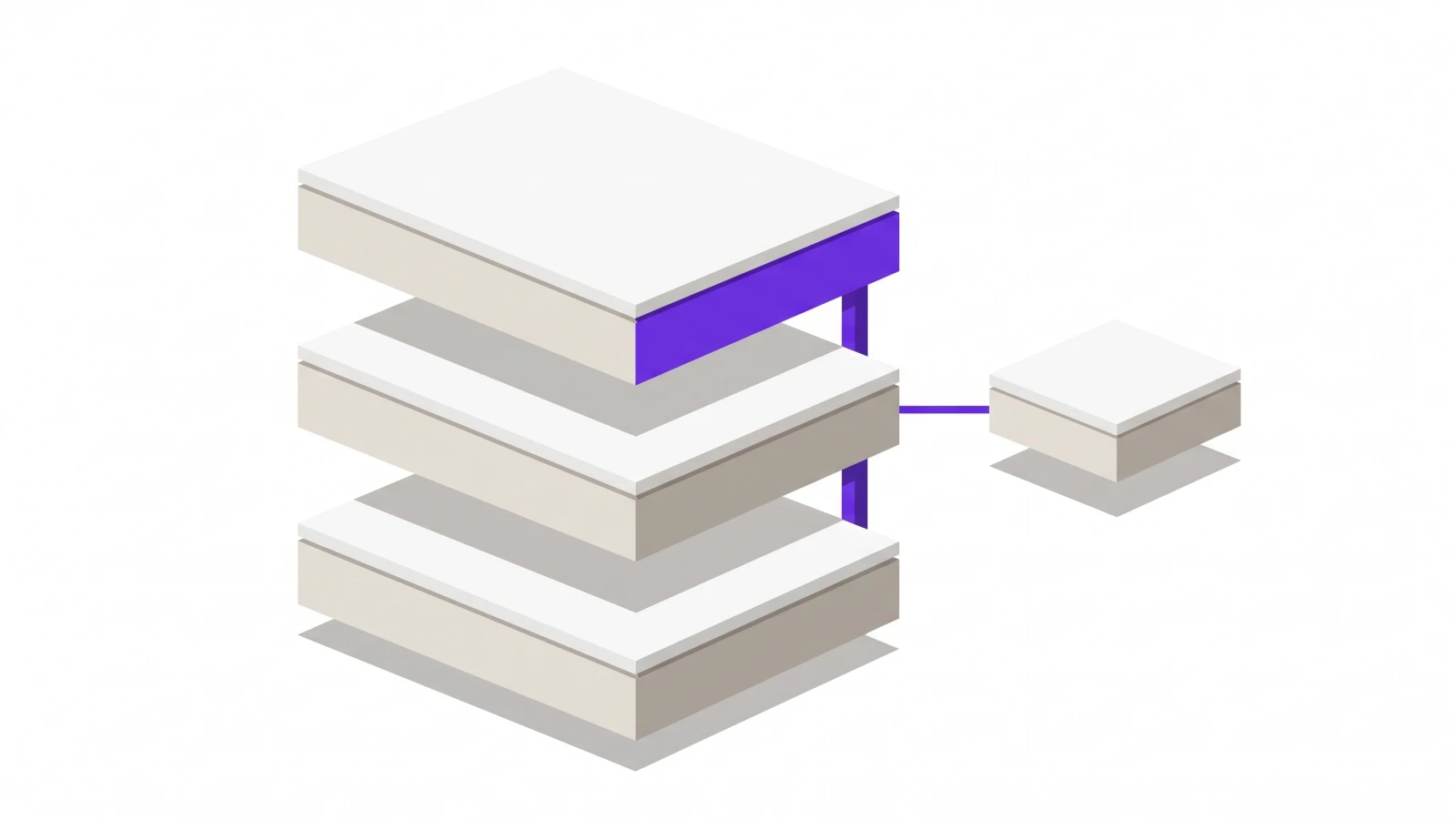
Duta is a single Next.js app, hosted on Vercel. The database is Postgres, through Supabase. Uploaded photos and video are kept in Cloudflare R2 rather than on the app server itself. None of that is unusual, and it is not meant to be. The part worth writing about is what the tool is asked to do reliably, not the shelf it sits on.
A public API, and an MCP connector
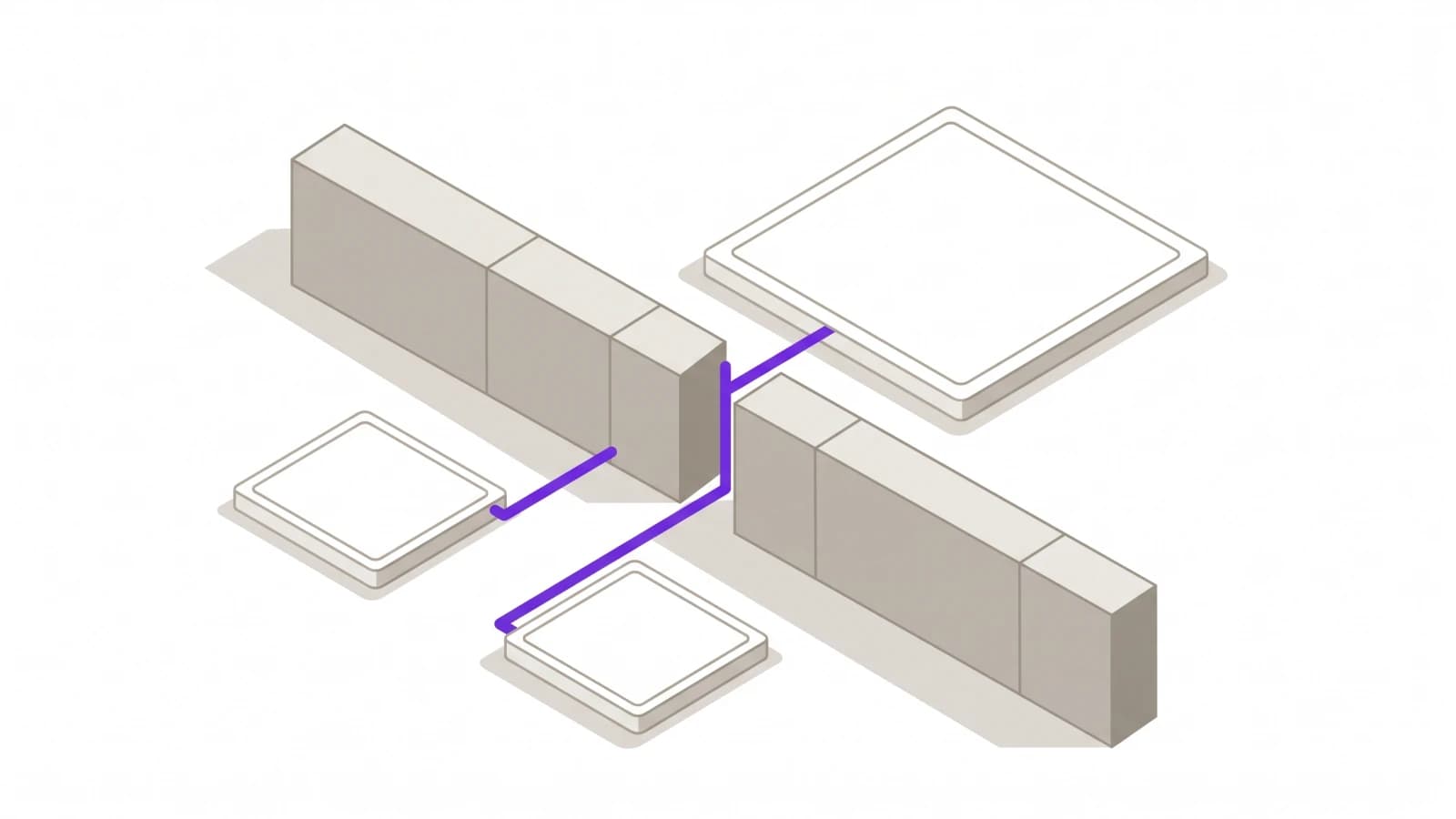
The web app is one client of Duta’s own API, not the only way in. A versioned public API exists, covering posts, accounts and media. On top of it sits an MCP connector, deployed since 6 August 2026, so an assistant like Claude or ChatGPT can schedule a post through ordinary conversation instead of a form.
Connected, an assistant can list your channels, check a caption against each platform’s own rules, and put a post on the calendar for you. It still shows you the exact text and the exact time and waits for you to agree before anything is scheduled. A post that has gone out cannot be recalled, so that confirmation is not a formality.
What it does not do yet
Duta is open to anyone now, and it has no customers yet. Every post described anywhere on this blog went out from one account, ours. Four of the eleven platforms are still unproven, for the reason above. That is the honest shape of it today: fewer channels than the finished list, and nobody using it yet but the person building it.